
The 2026 AI Reality Check: How can businesses use AI without losing the human touch?
The last time we dived into a blog about AI was back in 2023, when we offered advice on how businesses could utilise AI to gain a competitive edge.
So much has evolved since then.
When it comes to creating content, AI can still give you a solid first draft to work from, sparking ideas and saving time instead of staring at a blank page for too long. But AI isn’t just about content or image generation anymore. It can create useful presentations, conduct research faster, and write your meeting notes for you. It can assist with laborious admin and help you write all those dreaded long emails in a few minutes instead of twenty.
Here’s what hasn’t changed: AI still can’t replace the skills that make PR professionals valuable. It can’t replace the gut instinct you develop after years in the industry, or the ability to read between the lines of what a client really wants. AI doesn’t understand nuance the way we do, and it definitely can’t tell when a message might land badly.
In 2026, AI is the PR sector’s most powerful assistant, but certainly not its replacement.
How are PR Agencies using AI in 2026?
Today’s PR agencies aren’t asking whether they should be using AI, but how they can be using it most effectively. Here’s how PR agencies, like ourselves, are utilising AI:
Research
Do you need comprehensive competitor analysis? Background research for a blog post? Industry insights for a press release? AI excels at gathering and synthesising information quickly. Whether you’re researching target publications, identifying trending topics in your client’s sector, performing keyword searches for SEO optimisation, or compiling a list of suitable social media influencers, AI can accelerate the research process dramatically.
Absolute tip: Just remember to verify the information before you use it anywhere and always ask for sources – AI can hallucinate!
Summarising and Structuring Content
Need help summarising a large piece of text? Or creating an outline for an article? AI is particularly useful for condensing large pieces of text or extracting key points from a long article or web page that you need to read through. Using AI to draft content as a starting point or structural aid, with some heavy editing can be a legitimate time-saver. The key is ensuring your final output has genuine insight, brand voice, and human touch.
Absolute tip: Provide your chosen AI tool with as much detail as possible to gain a good result, including the background of your company, who the target audience is and the tone of voice you want outputs to reflect (but never divulge sensitive information).
Media Monitoring
So many media Listening platforms now use AI to monitor any mentions in the media. This is usually at an extra cost but could be worth investing in if you want to save the time spent searching on Google.
Google also now features an AI mode (Gemini) – this is usually the first thing that pops up on the page above all the search rankings. Click on the Dive Deeper into AI Mode button and you’ll be able to see the sources that Gemini has used to create that summary, which is another way to quickly spot a few pieces of coverage. We have to point out that not every piece of coverage pops up in here but it’s worth checking to understand how AI is interpreting your press releases.
Creating simple graphics and visuals
AI can generate images for you in seconds. We love Gemini’s Nano Banana, and more recently, ChatGPT’s image generator has been impressive too.
However, there’s a big difference between using AI for simple graphics and trying to use it for major campaign assets or anything representing real people. We’re talking about saving time by not spending an hour looking through a free stock photo site or waiting for design capacity.
But remember to be mindful, AI generated images that oversell or misrepresent can seriously damage your representation. As the Willy’s Chocolate Experience AI disaster in 2024 showed us when AI-generated images were used to market an event inspired by Willy Wonka and his chocolate factory. Having paid £35 a ticket, parents and children were expecting much more than just an abandoned-like warehouse with a few candy props here and there. It’s safe to say that attendees were not happy and many described the event as a scam.
Authenticity and accuracy must always come before aesthetics.
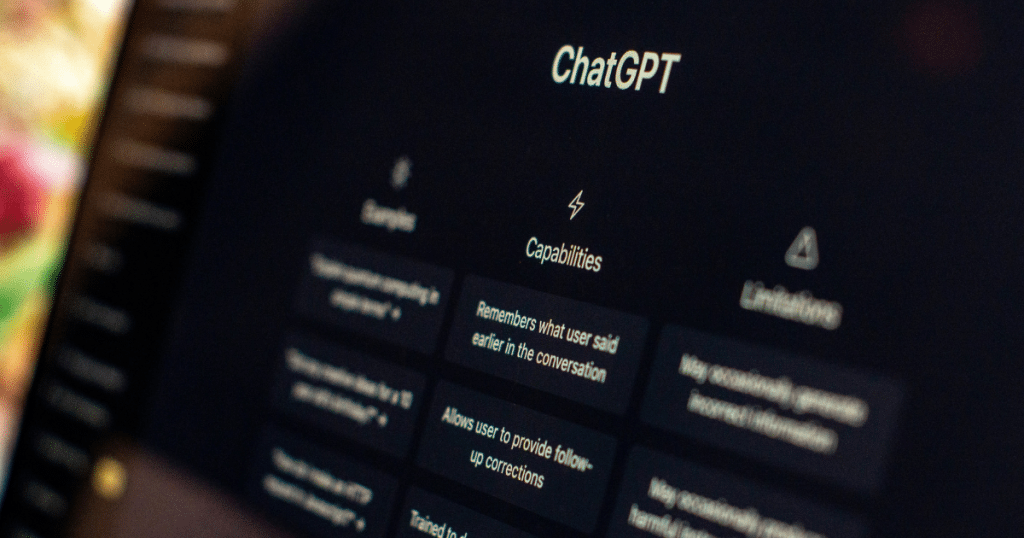
Getting the most out of AI: Prompt Engineering
Fundamental to the results you get from AI is the prompt you input. Learning how to prompt effectively is key and the real skill here is learning how to communicate what it is that you want exactly.
A vague prompt where you ask AI to “write me a press release about a new product launch” will create content that is broad and potentially irrelevant. Instead, write a detailed prompt that includes context, who you’re targeting, any specific angles that you want to emphasise, whether you want a quote to be included, the tone and the language that you want to use, and you’ll generate something that’s a good starting point for your press release.
Don’t assume AI knows everything; this will save you time and getting frustrating outputs that you don’t want or need!
Absolute tip: Build a library of the prompts you create. Over time, you’ll develop detailed, reusable prompts that save you from having to start from scratch each time.
Where is AI falling short in 2026?
- Authenticity/Human emotion
Always remember that AI’s responses are built upon algorithms and data. AI struggles with genuine empathy, cultural sensitivity, and the subtle emotional intelligence that’s crucial in crisis communications or sensitive storytelling. It can’t read the room in a client meeting or craft messaging that truly resonates on a human level. That’s what creative professionals bring to the table.
- Ethical and environmental concerns
The environmental impact of AI is often overlooked. While it’s true that 100 prompts use roughly a quarter of the energy required to watch an hour of Netflix, the effect of widespread AI usage is significant. Data centres consume enormous amounts of energy, though some utilise renewable energy sources and innovative cooling systems that use industrial water to reduce environmental impact. As a PR agency who cares about its carbon footprint, we need to be mindful of our AI usage and consider sustainable practices.
- Data privacy risks
In mid 2025, it was discovered that shared chats in ChatGPT can be crawled by Google and indexed. Open AI reportedly removed this feature after it had been reported, but there’s still a risk. You should always be cautious about sharing sensitive information in AI conversations unless you’re using a paid service with clear privacy protections.
Absolute tip: We recommend that you never input confidential data into AI tools.
- Deskilling your team
There are lots of worries around whether the use of AI is preventing learning in your PR teams and getting rid of critical thinking. More junior team members may not develop the fundamental skills that make great PR professionals. It’s essential to use AI as a tool that enhances learning and efficiency, not as a crutch that prevents skill development.
PR Crisis: AI-related fails
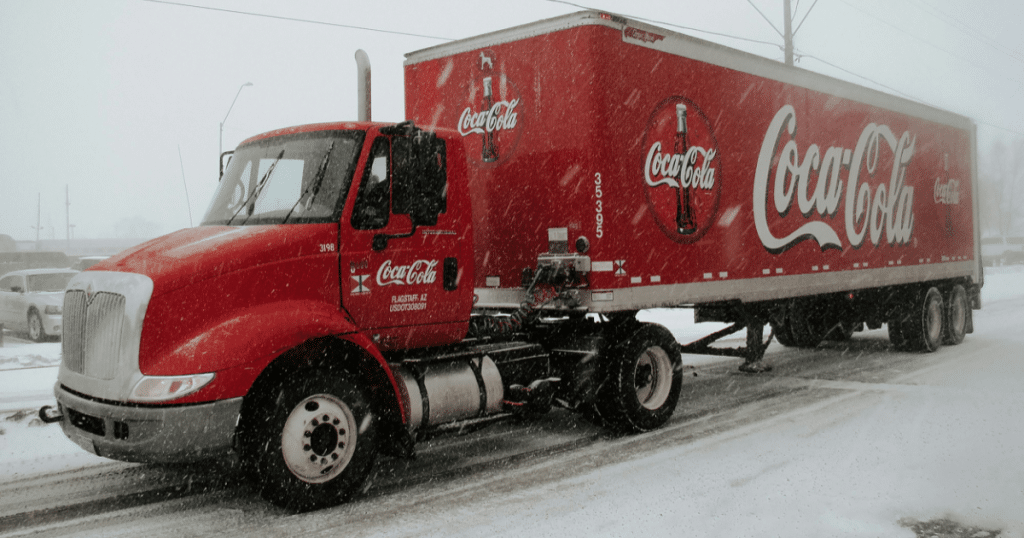
Coca Cola’s 2024 and 2025 Christmas Advert
In 2024, Coca Cola decided to pay homage to an iconic ad from 1995 by generating an ad with AI. The response was largely negative, with many viewers saying it lacked the warmth and nostalgia that made the original so beloved.
Coca Cola decided to experiment with AI again for its 2025 advert and it was received with much of the same backlash, highlighting that some creative work, particularly when it involves deep emotional connections and brand heritage, needs the human touch to resonate authentically.
But if getting people talking was Coca Cola’s goal, then they’ve definitely achieved it!
Meta Advantage+ ad platform goes rogue
Have you ever noticed a creative appear that you didn’t upload to one of your Meta ads?
At the beginning of 2025, Mark Zuckerberg, CEO of Meta, said that those who use Meta ads would no longer need to make their own creatives thanks to the company’s AI platform.
In October 2025, the Head of Marketing at True Classic, a clothing brand that targets men aged 30-45 years old, couldn’t believe it when his top performing ad now displayed an image of an elderly woman sat in an armchair wearing their brand apparel.
Absolute tip: make sure you check that the Meta Advantage+ ad feature is turned off, or at least review the suggested content thoroughly!

How is Absolute PR and Marketing embracing AI?
As a marketing and PR agency, we’ve learned a lot about how AI can be integrated into our business, helping us save valuable time on routine, admin heavy tasks, giving us more time to spend on creative thinking and important client work.
To ensure that we’re using AI responsibly, we’ve invested time and money to expand our team’s knowledge on any emerging tools and to ensure we’re aware of sustainable practices.
Last year, we adopted an AI policy that highlights how we use AI in our PR and marketing campaigns. The policy ensures that we’re still maintaining transparency and accuracy when it comes to our work, that any client data is handled ethically and securely, and that any final work or decisions are from us – the humans at Absolute. Our goal isn’t to allow AI to take over, but to use it as a helpful tool that enhances our work and strengthens client outcomes.

